LLMs have fundamentally expanded what’s possible in online data research, and this translates to lead data generation and internet research as a whole.
Today we’ll be exploring how AI agents are learning to use computers: navigating websites, automating complex data generation, and transforming B2B lead research.
1. Website Navigation with Computer-Using Agents
Computer-using agents, are capable of navigating and interacting with websites in the same way a human user would.
Computer-using Agents can:
Click Buttons: Identify and interact with buttons, even when labels or styles vary.
Fill In Forms: Populate text inputs, dropdowns, checkboxes based on the user’s intent.
Apply Filters: Interact with UI components like date sliders, tag checkboxes, or dropdowns.
Traverse Multi-Step Workflows: Handle sequential interactions (e.g. login -> filter -> download).
Handle Gated Content: Access pages behind logins
This enables complex data-gathering tasks that were previously impossible.
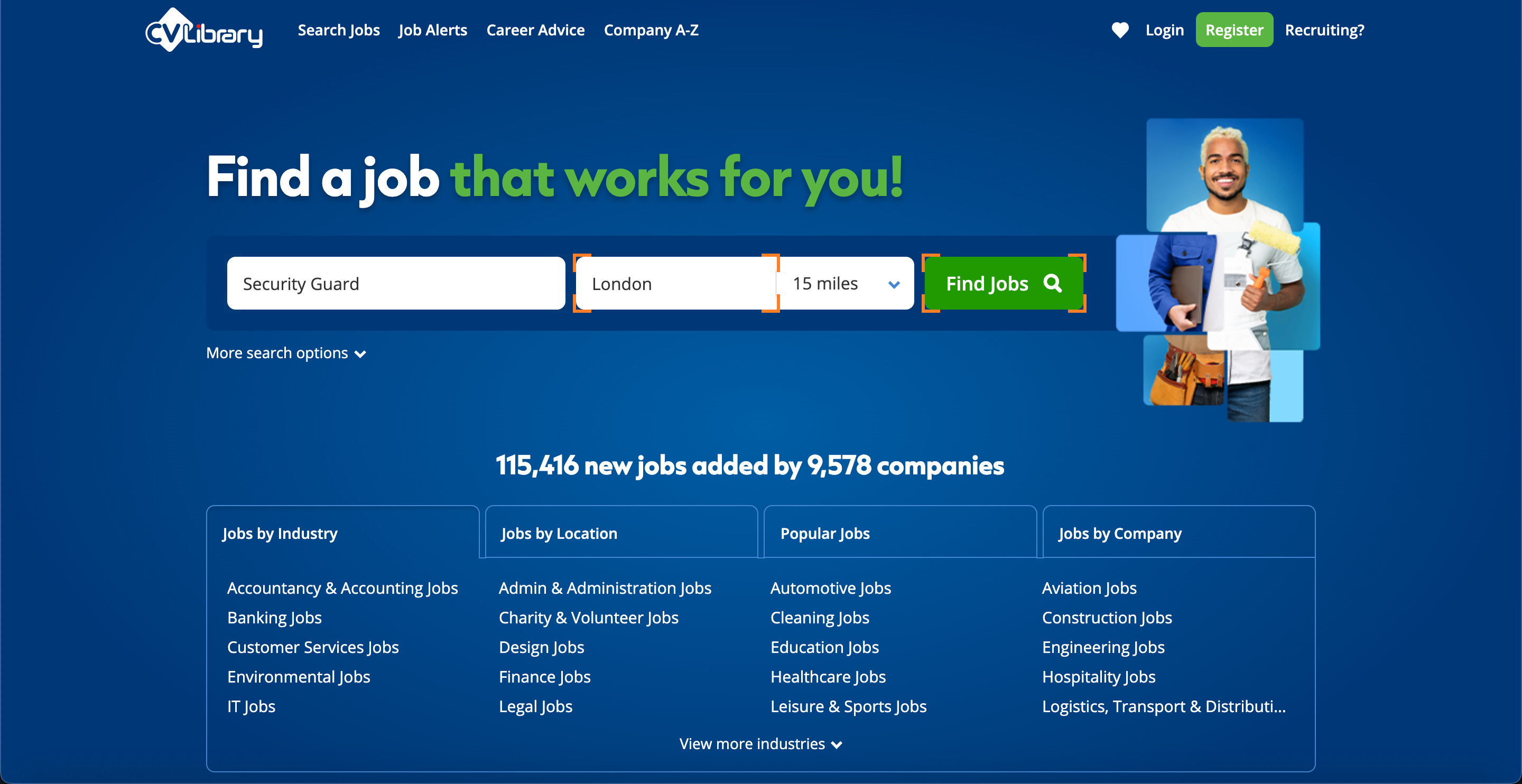
Watch the video below to see it navigate a the website “CV-Library”.
Example: Extracting Leads from a Job Board like Indeed/Cv-Library.
The software carries out these steps:
Inputs User Intent: e.g. “Find all Senior Product Manager roles in fintech companies in London.”
Translates Intent into UI Actions:
Enter role: “Senior Product Manager”
Set location: “London”
Apply filters for industry or company names (e.g. “fintech”)
Navigates Result Pages:
Click on each job post or extract from the listings view
Scroll and paginate to collect multiple results
Extracts Data:
Parse job title, company name, location, and description
Ignore irrelevant fields or sponsored listings
Return structured JSON or tabular data
Repeats the Workflow Reliably:
Restart the process with different keywords or geographies
Monitor success/failure and retry intelligently
What Makes This Possible
This entire process is enabled by three key capabilities:
Browser Control: Using tools like Callm, the agent can control the DOM, take screenshots, or access accessibility trees to understand the layout and interact with it as a human would.
Action Planning: The LLM doesn’t just receive a static prompt. It breaks the end-goal into intermediate steps and decides which actions to take next (e.g., “click the blue ‘Search’ button after filling filters”). This is similar to how a human would think through a task.
State Awareness: Agents track what stage they’re in (search page, results list, inside a detail page) and adapt their behavior accordingly. They know whether they’ve succeeded in extracting data or if they need to retry.
Why It Matters
This capability shifts LLMs from passive processors of input text to active researchers. In lead generation, it means:
Gathering fresh, real-time data from the open web
Extracting information from any website, even those without APIs
Adapting to page layout changes and UI variations
Operating continuously and autonomously
As a result, AI-driven lead generation moves to live, intelligent exploration of the web, something only humans could do until now.
Until next time,
— Louisamay Hanrahan